LIFESTYLE WITH A CONSCIENCE

Wednesday, 13 July 2011

Sex and the City star Kristin Davis Lends Her Support to the Oxfam Kenya Appeal

Kirstin Davis visits Dadaab Refugee Camp


Africa is currently experiencing the worst drought in over 60 years, leaving more than 12 million people in East Africa desperate for food, water and healthcare. Due to the lack of rain, families across Somalia, Ethiopia and Kenya are struggling to find nourishment. As a result of the rainless seasons livestock has perished in the order of hundreds of thousands and food prices have sky-rocketed.


Sex and the City star, Kristin Davis, has decided to put her fame and recognition to good use for the cause. For the past six years Davis has worked with Oxfam, traveling to various regions of Africa to help publicise the humanitarian issues there. Her most recent trip brought her to Tanzania and then to northeast Kenya to visit the Dadaab Refugee Camp to help with disaster relief efforts. Kenya recently declared the drought a national disaster, with more than 1,400 people a day arriving at the camp.


Davis, along with Oxfam, are now urging major strides be taken to aid the East African food system. Farmers and communities have been devastated by the crisis, while their governments have done little to help alleviate the situation. Small-scale food producers have not received adequate investment to help them through such hardship and plans to protect vunerable people were not strong enough to work. Because this problem has continued for so long, food prices are now out of reach for most of the population, leaving people hungry and without hope.


Oxfam is taking action to respond to this emergency by seeing that more is done to address the problem. They see issues such as this as a wake-up call to governments, and to the international community as a whole, and are currently appealing for £50 million, their largest appeal for Africa to date. Oxfam’s GROW Campaign proposes more investment in small-scale food producers as well as better support for those who are being neglected by their governments.

Donations to the Disasters Emergency Committee in the UK have steadily risen, bringing the DEC appeal total to £9 million so far. Chief Executive of the Disasters Emergency Committee, Brendan Gormley said, “It’s heartening to see that the UK public is continuing support for the appeal since it was launched last Friday and we need to keep this momentum going as the crisis continues to unfold.”
For more information on how to help provide food, water and healthcare or to donate visit, www.dec.org.uk


Monday, 11 July 2011

FISHED AND DIMINISHED

Two more species of Tuna have been added to the Red List of Threatened Species following a global assessment of the health and vulnerability of families of fish including tuna and swordfish. Of the 61 species of fish evaluated in this report, seven types were designated vulnerable, endangered or critically endangered. These join the Southern Bluefin tuna which is already listed as critically endangered.


Kent Carpenter, one of the study’s authors and the World Conservation Union’s Marine Biodiversity Manager, said that “Southern Bluefin numbers have reached levels that are one twentieth of those recorded before industrial fishing began”.


All of these species of fish suffer from over-fishing, habitat loss and pollution. Tuna are highly migratory fish that cross the waters of various countries, so even if a complete fishing ban were imposed in an attempt to tackle the problem of over-fishing, it would take global co-operation to enforce. Ultimately this decision is unlikely to be reached – per kilo the Bluefin tuna is the most expensive seafood in the world and these high prices mean there is a lack of resolve to tackle the problems posed by overfishing. However, even if legislation won’t be put in place consumers can drive down demand for the fish by simply not buying tuna until such a day as their stocks are healthy again.

Monday, 4 July 2011

Wake up to fairtrade...coffee.

Nespresso Ecolaboration with The Rainforest Alliance

The premium coffee producer Nespresso has launched its latest special edition coffee, ‘Dhjana’, which is the first limited edition blend to be sourced entirely from farms within the Nespresso AAA Sustainable Quality Programme. This scheme works directly with the Rainforest Alliance to help protect both the future of the environment and the livelihoods of the coffee farmers.

Many coffee farmers, especially smallholders, are vulnerable to volatile marketing conditions for coffee, unpredictable weather patterns and rising farm management costs, while poverty and urbanisation in certain coffee growing regions also make it difficult for coffee growers to plan for the future. The AAA Programme provides support and technical training to coffee growers to help increase productivity, which benefits growers economically and socially. They also pay a premium of about 15% above that of coffees of a similar quality, which puts more money directly into the pocket of the coffee farmer and helps to guarantee a long-term relationship.

The AAA Programme also enables farmers to adopt more sustainable agricultural practises, which go a long way towards protecting our planet. Nespresso growers are close to meeting the standards required for Rainforest Alliance Certification, which protects both the natural environment and the lives of its workers, and once this certification has been achieved farmers can charge a premium even for the coffee they choose not to sell to Nespresso. Nespresso aim to source 80% of its coffee from Rainforest Alliance Certified farms by 2013.

In addition to this, by 2013 Nespresso intend to put systems in place that have the capacity to recycle 75% of its aluminium capsules. Ultimately, it will be up to the consumer to use these facilities and see that this recycling does happen, but as a company, Nespresso do seem to be leading the charge towards sustainability.

Gucci’s Green Scene


Gucci and specialist eyewear brand Safilo are breaking new ground to bring eco-sustainable materials to the luxury eyewear market. In August 2011 they will introduce four new acetate eyewear styles developed from a new version of acetate containing much higher amounts of natural ingredients compared with traditional forms of acetate.  The companies are also currently working to develop a prototype made from a plastic alternative.

“With Safilo we felt it was time to take the initiative on our shared commitment for increased sustainability within the luxury sector. These eyewear models represent an important step forward in finding new and innovative ways to embrace sustainability in our manufacturing processes,” said Patriziodi Marco, Gucci president and CEO. 


The Gucci Eyeweb collection will also release new styles of sunglasses for men and women set in natural materials and made from castor-oil seeds.  Nature-friendly packaging, which will accompany the new collections, will be introduced early 2012.


We here at RECOGNISE applaud Gucci and Safilo’s dedication to embrace sustainability in luxury markets; however, if they can make a few versions of their eyewear sustainable, why not make the whole collection using eco-friendly materials?  Something to think about Gucci!


For more info visit : Gucci.com

Thursday, 30 June 2011

ELEN RIVAS FOR PETA: 'BULLFIGHTING IS CRUEL!'


Spanish model, Elen Rivas has posed naked for an anti bullfighting campaign fronted by the animal rights organisation, PETA. The advert, which includes a strap line of ‘The Naked Truth: Bullfighting is cruel’ hopes to spread awareness of the evil associated with the sport and encourage for it to become completely banned.

Ms Rivas told The Metro yesterday: “Most Spaniards – including those in my hometown of Barcelona, where bullfighting was recently banned – are opposed to the barbaric blood sport, and PETA and I are urging British tourists not to be fooled by the industry's propaganda.”

…And here at RECOGNISE we couldn’t agree more: If you are to vacation in Spain this summer then we urge you to remember that Bullfighting is cruel!

Wednesday, 29 June 2011

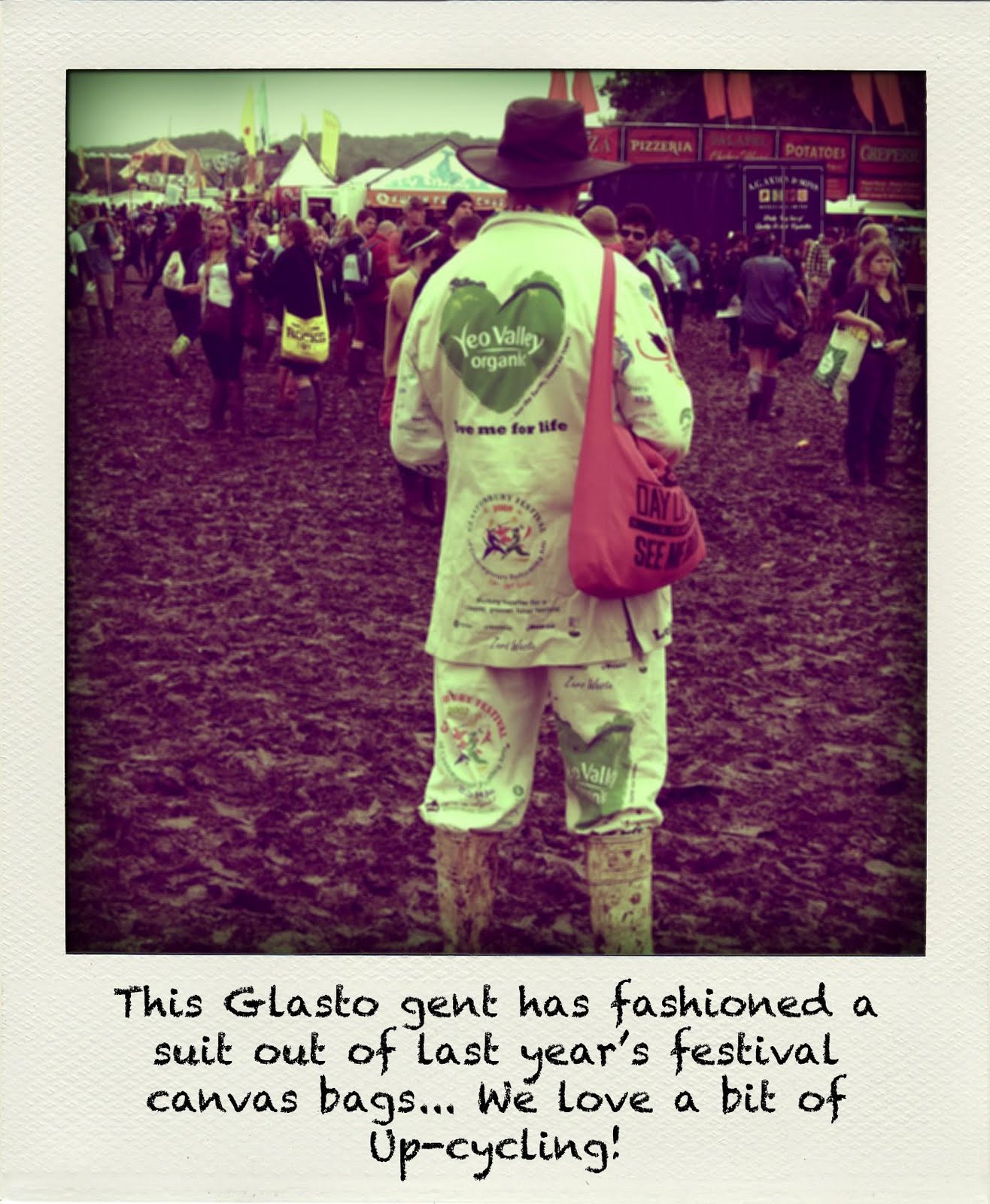
GLASTONBURY 2011... (in pictures!)


Presumed Consent is not “Consent”.


Since 1999, the British Medical association has been campaigning for a “presumed consent” system for organ donation, where all people will be assumed to be willing to donate their organs in the event of their death unless they have opted out of the scheme. Currently, people in Britain must actively join the NHS Organ Donor Register. According to NHS Organ Donation statistics, 3,709 organ transplants were carried out in the UK last year, while an additional 3,099 people had their sight restored through a cornea transplant. Many supporters of the presumed consent system believe it would boost organ-donation rates and therefore offer a better quality of life to the approximate 8,000 people still on the waiting list.

However, critics of the scheme claim that it could damage the trust patients place in medical staff. Dr Sharon Blackford, a dermatologist from Swansea, challenged the support for presumed consent by claiming that a move to presumed consent could damage trust in doctors. “If someone is ill in intensive care, families may feel doctors just want to harvest the organs”.

Under the British Medical Association’s suggestions, families would still be able to object to organ donation even if their relative had not opted out of the system. Ultimately, however, surely this would mean that the “consent” being given were that of the family, not of the individual? While the scheme may encourage people to be less apathetic in their decision to donate, or not donate, organs, to presume consent is surely necessarily not to ask for it. Instead of forcing people who do not wish to donate their organs to opt out, perhaps more should be done to educate and encourage individuals who may wish to become organ donors to take the time to do so.

For more information about organ donation, visit www.organdonation.nhs.uk