LIFESTYLE WITH A CONSCIENCE

Monday, 8 August 2011

A-dressing domestic violence

Fashion designer Henry Holland for Designers at Debenhams has created a new charity range of men’s t-shirts in support of ‘The Real Man Campaign’ – a national campaign launched by Women’s Aid to combat domestic violence.


The t-shirts, which carry the slogan “I’m a real man”, have been adopted by celebrities including DJ Reggie Yates (pictured), Spurs striker Jermain Defoe, and pop-band Westlife, to show their support for the fight against abuse.

Physical, emotional and sexual violence against women and children is a devastating international issue. Globally, about one in four women and girls are beaten or sexually abused in their lifetime, while at least 750,000 children witness domestic abuse each year. Women’s Aid provides crucial support and protection for those suffering from domestic violence. With 124,895 women and 54,370 children using Women’s Aid refuge and outreach services between 2009 and 2010, fundraising and charitable donations are vital in the fight against abuse.

The Real Man Campaign invites male role models to publicly criticise violence against women, asking ‘Real Men’ to help promote the message that real men do not abuse or control women.

England International and Harlequins Rugby Player Danny Care says; "While it can be aggressive playing rugby, the aggression doesn't leave the rugby pitch. A Real Man doesn't need to use violence or be abusive to others, especially towards his partner and family. I am proud to support the Women's Aid Real Man campaign."


The ‘Real Man’ range of charity t-shirts are a way to raise awareness about this furtive issue. The profits from the sale of the t-shirts go directly to Women’s Aid, and are available exclusively at Debenhams stores and online at www.realmancampaign.com

And don’t worry girls, you can also show your support by wearing an “I’m a fan of a real man” t-shirt.


Why not show your support by signing the Real Man Pledge for Women’s Aid by the 25th November - the International Day to Eliminate Violence Against Women. We here at Recognise have!

Thursday, 4 August 2011

We hit Timberland's Power Camp at Camp Bestival


Last weekend we were the very lucky guests of Timberland at Camp Bestival in Dorset where we spent most of the time lounging around on the very comfy bean bags on the upper ‘deck’ of the Timberland Power Camp stand which had pride of place right in front of the main stage.


Timberland Power Camp is a construction made entirely of recycled wood from shipping containers and rubber from old tyres, designed to show to the public what the brand is doing for the environment.


As a brand whose products are all designed for the outdoors, their ethos is about protecting the environment and making products in a responsible manner. The footwear is made entirely with this ethos in mind, with the soles made from 40% recycled rubber and the lining from old plastic bottles.


We were very kindly given some Timberlands to wear during the festival, and we can safely say that they are some of the comfiest footwear we have ever worn. I know that Sarah (our fashion editor) will be wearing her Timberland sandals when she is running about London!


As well as lounging on the bean bags we did have a go at blending our own smoothies at the Power Camp, not by hand, but by powering the blender on an exercise bike. Although it sounds a bit bizarre it was the perfect way to educate the children at Camp Bestival about renewable energy and how much energy it takes just to make a smoothie. It did seem worth it in the end as my passion fruit smoothie went down very well in the heat.

For children with an abundance of energy, and not lazy journalists like us, there was the opportunity to have a go at running on the log rolls for 6 minutes which made enough energy to power a kettle. Tea, coffee and hot chocolate were all on the menu for those who had the stamina.

The Power Camp was a brilliant, interactive and informative way of showing the younger generation the importance of renewable energy and at the same time showing that Timberland are as much about protecting the environment as they are about the famous yellow boot.


Wednesday, 27 July 2011

The Big Audition

Last night we went down to the Pizza Express Jazz Club in Soho to watch an intimate gig with Jamie Cullum to celebrate the launch of The Big Audition.

The Big Audition is an opportunity for budding musicians to get their big break into the music industry with the winner getting a master class from Jamie Cullum himself, the opportunity to perform at the Pizza Express Jazz Club, and a £5000 prize to kick start their career.

During the gig, fans could Tweet in their song requests which ranged from The White Stripes, Seven Nation Army to Stephen Sondheim’s musical classic, ‘Not while I’m around,’ Those who were not Cullum fans at the beginning of the night were certainly converted after his off the cuff set. Seemingly Jamie can play literally anything without even knowing the song, (although he did sing the same verse of The White Stripes three times, which just meant we could all sing along!) The most touching part of the evening was Jamie’s tribute to Amy Winehouse, who also started her career at the jazz club. He played his own version of Amy’s song, ‘Love is a Losing Game,’ before pointing out where Amy had scribbled on the wall in the dressing room.

The founder of Pizza Express, Peter Boizot is a huge music fan and set up the jazz club so people could enjoy music while they ate- ingenious! The venue itself always has an amazing line up of people playing, from new up and coming acts, to the old cronies so is well worth a visit.

The competition is not just open to jazz musicians, it is for anyone who wants to try and get their name out there into the world of music. To enter, upload a clip of yourself playing/singing to Pizzaexpress.com/thebigaudition and Jamie and the team will judge the best of the bunch.


Tuesday, 26 July 2011

The Damage of Denim

The Italian fashion giant Versace is the latest brand to support the movement to end sandblasting – a process that is used to give clothes like denim a fashionable, ‘worn’ look, but which campaigners say destroy workers’ lungs.


The process was prohibited in Britain in 1950, yet some of the world’s poorest textile workers are still performing the technique manually, which critics blame for the irreversible lung disease Silicosis. ‘Sandblasting’shoots a high-powered jet of silica at denim, which may make the fabric look shabby-chic but which can also have a damaging effect on the workers’ health as they breathe in air-born particles. According to US government scientists, victims' lungs can become inflamed and filled with fluid, which causes breathing problems and low oxygen levels in the blood.


This month, Versace issued a statement that encouraged the elimination of sandblasting as an industry practice. Other big names such as H&M and Karen Millen have also pledged to stop selling sandblasted products.


Versace’s new position is brilliant news in this campaign for workers’ safety standards. However, since many countries fail to properly enforce legislation to protect their workers, complete prevention of this health-damaging technique is near impossible without a global boycott on sandblasted products.

The Real Cost of Medicine

The Academy of Medical Sciences has published a report that demands better regulation of experiments on Animals Containing Human Material (ACHM) in scientific research.


Animals that contain human tissues, cells or genetic information are used in medical research since they can better represent human disease. For instance, by putting human breast tumor cells into mice, researchers were able to test cancer drugs on human tissue.


However, such controversial testing has divided public opinion, and whilst most medical groups consider it a vital part towards understanding and treating human illnesses, many religious bodies and animal welfare groups condemn the practice as unethical.


Animal research is currently regulated by the Home Office’s animal procedures committee. However, Professor Martin Bobrow, chair of the Academy of Medical Sciences, said: “Our report recommends that the Home Office puts into place a national expert body, within the stringent system of animal research regulation, to provide specific advice on sensitive types of ACHM research”.


Such ‘sensitive’ types of experiments that were of concern to both the public and the scientific community could involve modifying non-human primates to create what are perceived to be uniquely human-like behaviors, although Professor Bobrow stressed that nobody had done anything like this as yet, and were they to go ahead, such experiments would require strong scientific justification.


Such an area of research has the potential to provide significant advances to medical treatments, but at what social and ethical cost? The study by The Academy of Medical Sciences recommended that the UK should lead the effort to raise international awareness of testing on Animals Containing Human Material, and should promote consistency in research practices.


The government said it would consider the recommendations.

Thursday, 21 July 2011

EU Commission work towards sustainable Biofuel production

The European Commission has approved seven schemes that were established to guarantee that biofuels used in the EU are produced in an environmentally sustainable way.


A biofuel is any kind of fuel produced from organic matter – from living things or from the waste they produce. This is a long and diverse list, but includes wood chips, straw, biogas (methane) from animal’s excrement and liquid fuels made from processing plant material. As an alternate technology source, Biofuels are a part of the EU strategy to cut CO2 emissions.


However, recently, the term “Biofuel” has come to refer more exclusively to the last category – to ethanol and diesel that is produced from crops including corn, sugarcane and rapeseed. This method of production is controversial because the crops need to be grown specifically for biofuel production, which means that in some countries they have replaced forests, which harms biodiversity, while the space allotted to their farming is seen as a rival to food crops.


The EU Energy Commissioner, Guenther Oettinger, said that the damaging side effects of biofuel production were “a real concern…particularly in the big producing countries, South-East Asia and South America”.


The EU Commission’s new schemes aim to tackle these concerns by promoting a sustainable and regulated production of biofuels. Commission data indicated that in 2007, roughly 26% of biodiesel and 31% of bioethanol used in the EU was imported, mostly from Brazil and the US. Biofuel producers will now have to verify how and where their crops are grown, and those farmed on land that used to be forest or wetland will not qualify.


Companies importing or producing biofuels will be required to prove that they meet the EU’s strict criteria. To be approved, the Commission requires that biofuels emit at least 35% less greenhouse gases then fossil fuels such as petrol, though this minimum is set to increase in the next few years.


Tuesday, 19 July 2011

Conservation on Camera

British actors Bill Nighy and Gemma Arterton will appear in a captivating new short film this summer which highlights the work of leading conservation charity WWF. Written by the critically acclaimed writer-director Stephen Poliakoff and directed by BAFTA award winner Charles Sturridge, the 5-minute movie ‘Astonish Me’ introduces some of the world’s lesser known or recently discovered species. The film uses both real images and special effects to portray wildlife as diverse as massive insects and colossal squid, a fish with a transparent head and a rainbow of birds and frogs.


Colin Butfield, Head of Campaigns for WWF-UK and Executive Producer of ‘Astonish Me', said that the film:


“shows that the natural world is every bit as magical and surprising as the fictional world you might see in a Hollywood film. We know about less than a tenth of the species that we suspect are out there and I really hope this film inspires a new generation of conservationists to be curious about the natural world and to want to protect it.”


WWF is one of the world’s largest independent conservationist organisations, with a global network that is active in more than 100 countries. They work to tackle the most serious environmental issues facing our planet and focus on safeguarding the natural world, so that both people and nature can thrive. 2011 is WWF’s 50th anniversary year, and ‘Astonish Me’ is a great way to both celebrate the successes of WWF so far and also get people excited by the splendid variety of nature so that they are interested in tackling the challenges of the future. Although approximately 15,000 new species are discovered every year, we are also losing species and habitat at an alarming rate, and many of the new species that scientists discover are already on the verge of extinction.


‘Astonish Me’ will be screened in Odeon cinemas across the country from the 29 July 2011, and to celebrate the film and WWF’s 50th anniversary, WWF is offering a family of four the chance to win a conservation experience at the Monterey Bay Aquarium Research Institute, one of the world's most prestigious research centres for deep-sea exploration in California. To enter the competition please visit Wwf.org.uk/astonishmecompetition


Wednesday, 13 July 2011

Sex and the City star Kristin Davis Lends Her Support to the Oxfam Kenya Appeal

Kirstin Davis visits Dadaab Refugee Camp


Africa is currently experiencing the worst drought in over 60 years, leaving more than 12 million people in East Africa desperate for food, water and healthcare. Due to the lack of rain, families across Somalia, Ethiopia and Kenya are struggling to find nourishment. As a result of the rainless seasons livestock has perished in the order of hundreds of thousands and food prices have sky-rocketed.


Sex and the City star, Kristin Davis, has decided to put her fame and recognition to good use for the cause. For the past six years Davis has worked with Oxfam, traveling to various regions of Africa to help publicise the humanitarian issues there. Her most recent trip brought her to Tanzania and then to northeast Kenya to visit the Dadaab Refugee Camp to help with disaster relief efforts. Kenya recently declared the drought a national disaster, with more than 1,400 people a day arriving at the camp.


Davis, along with Oxfam, are now urging major strides be taken to aid the East African food system. Farmers and communities have been devastated by the crisis, while their governments have done little to help alleviate the situation. Small-scale food producers have not received adequate investment to help them through such hardship and plans to protect vunerable people were not strong enough to work. Because this problem has continued for so long, food prices are now out of reach for most of the population, leaving people hungry and without hope.


Oxfam is taking action to respond to this emergency by seeing that more is done to address the problem. They see issues such as this as a wake-up call to governments, and to the international community as a whole, and are currently appealing for £50 million, their largest appeal for Africa to date. Oxfam’s GROW Campaign proposes more investment in small-scale food producers as well as better support for those who are being neglected by their governments.

Donations to the Disasters Emergency Committee in the UK have steadily risen, bringing the DEC appeal total to £9 million so far. Chief Executive of the Disasters Emergency Committee, Brendan Gormley said, “It’s heartening to see that the UK public is continuing support for the appeal since it was launched last Friday and we need to keep this momentum going as the crisis continues to unfold.”
For more information on how to help provide food, water and healthcare or to donate visit, www.dec.org.uk


Monday, 11 July 2011

FISHED AND DIMINISHED

Two more species of Tuna have been added to the Red List of Threatened Species following a global assessment of the health and vulnerability of families of fish including tuna and swordfish. Of the 61 species of fish evaluated in this report, seven types were designated vulnerable, endangered or critically endangered. These join the Southern Bluefin tuna which is already listed as critically endangered.


Kent Carpenter, one of the study’s authors and the World Conservation Union’s Marine Biodiversity Manager, said that “Southern Bluefin numbers have reached levels that are one twentieth of those recorded before industrial fishing began”.


All of these species of fish suffer from over-fishing, habitat loss and pollution. Tuna are highly migratory fish that cross the waters of various countries, so even if a complete fishing ban were imposed in an attempt to tackle the problem of over-fishing, it would take global co-operation to enforce. Ultimately this decision is unlikely to be reached – per kilo the Bluefin tuna is the most expensive seafood in the world and these high prices mean there is a lack of resolve to tackle the problems posed by overfishing. However, even if legislation won’t be put in place consumers can drive down demand for the fish by simply not buying tuna until such a day as their stocks are healthy again.

Monday, 4 July 2011

Wake up to fairtrade...coffee.

Nespresso Ecolaboration with The Rainforest Alliance

The premium coffee producer Nespresso has launched its latest special edition coffee, ‘Dhjana’, which is the first limited edition blend to be sourced entirely from farms within the Nespresso AAA Sustainable Quality Programme. This scheme works directly with the Rainforest Alliance to help protect both the future of the environment and the livelihoods of the coffee farmers.

Many coffee farmers, especially smallholders, are vulnerable to volatile marketing conditions for coffee, unpredictable weather patterns and rising farm management costs, while poverty and urbanisation in certain coffee growing regions also make it difficult for coffee growers to plan for the future. The AAA Programme provides support and technical training to coffee growers to help increase productivity, which benefits growers economically and socially. They also pay a premium of about 15% above that of coffees of a similar quality, which puts more money directly into the pocket of the coffee farmer and helps to guarantee a long-term relationship.

The AAA Programme also enables farmers to adopt more sustainable agricultural practises, which go a long way towards protecting our planet. Nespresso growers are close to meeting the standards required for Rainforest Alliance Certification, which protects both the natural environment and the lives of its workers, and once this certification has been achieved farmers can charge a premium even for the coffee they choose not to sell to Nespresso. Nespresso aim to source 80% of its coffee from Rainforest Alliance Certified farms by 2013.

In addition to this, by 2013 Nespresso intend to put systems in place that have the capacity to recycle 75% of its aluminium capsules. Ultimately, it will be up to the consumer to use these facilities and see that this recycling does happen, but as a company, Nespresso do seem to be leading the charge towards sustainability.

Gucci’s Green Scene


Gucci and specialist eyewear brand Safilo are breaking new ground to bring eco-sustainable materials to the luxury eyewear market. In August 2011 they will introduce four new acetate eyewear styles developed from a new version of acetate containing much higher amounts of natural ingredients compared with traditional forms of acetate.  The companies are also currently working to develop a prototype made from a plastic alternative.

“With Safilo we felt it was time to take the initiative on our shared commitment for increased sustainability within the luxury sector. These eyewear models represent an important step forward in finding new and innovative ways to embrace sustainability in our manufacturing processes,” said Patriziodi Marco, Gucci president and CEO. 


The Gucci Eyeweb collection will also release new styles of sunglasses for men and women set in natural materials and made from castor-oil seeds.  Nature-friendly packaging, which will accompany the new collections, will be introduced early 2012.


We here at RECOGNISE applaud Gucci and Safilo’s dedication to embrace sustainability in luxury markets; however, if they can make a few versions of their eyewear sustainable, why not make the whole collection using eco-friendly materials?  Something to think about Gucci!


For more info visit : Gucci.com

Thursday, 30 June 2011

ELEN RIVAS FOR PETA: 'BULLFIGHTING IS CRUEL!'


Spanish model, Elen Rivas has posed naked for an anti bullfighting campaign fronted by the animal rights organisation, PETA. The advert, which includes a strap line of ‘The Naked Truth: Bullfighting is cruel’ hopes to spread awareness of the evil associated with the sport and encourage for it to become completely banned.

Ms Rivas told The Metro yesterday: “Most Spaniards – including those in my hometown of Barcelona, where bullfighting was recently banned – are opposed to the barbaric blood sport, and PETA and I are urging British tourists not to be fooled by the industry's propaganda.”

…And here at RECOGNISE we couldn’t agree more: If you are to vacation in Spain this summer then we urge you to remember that Bullfighting is cruel!

Wednesday, 29 June 2011

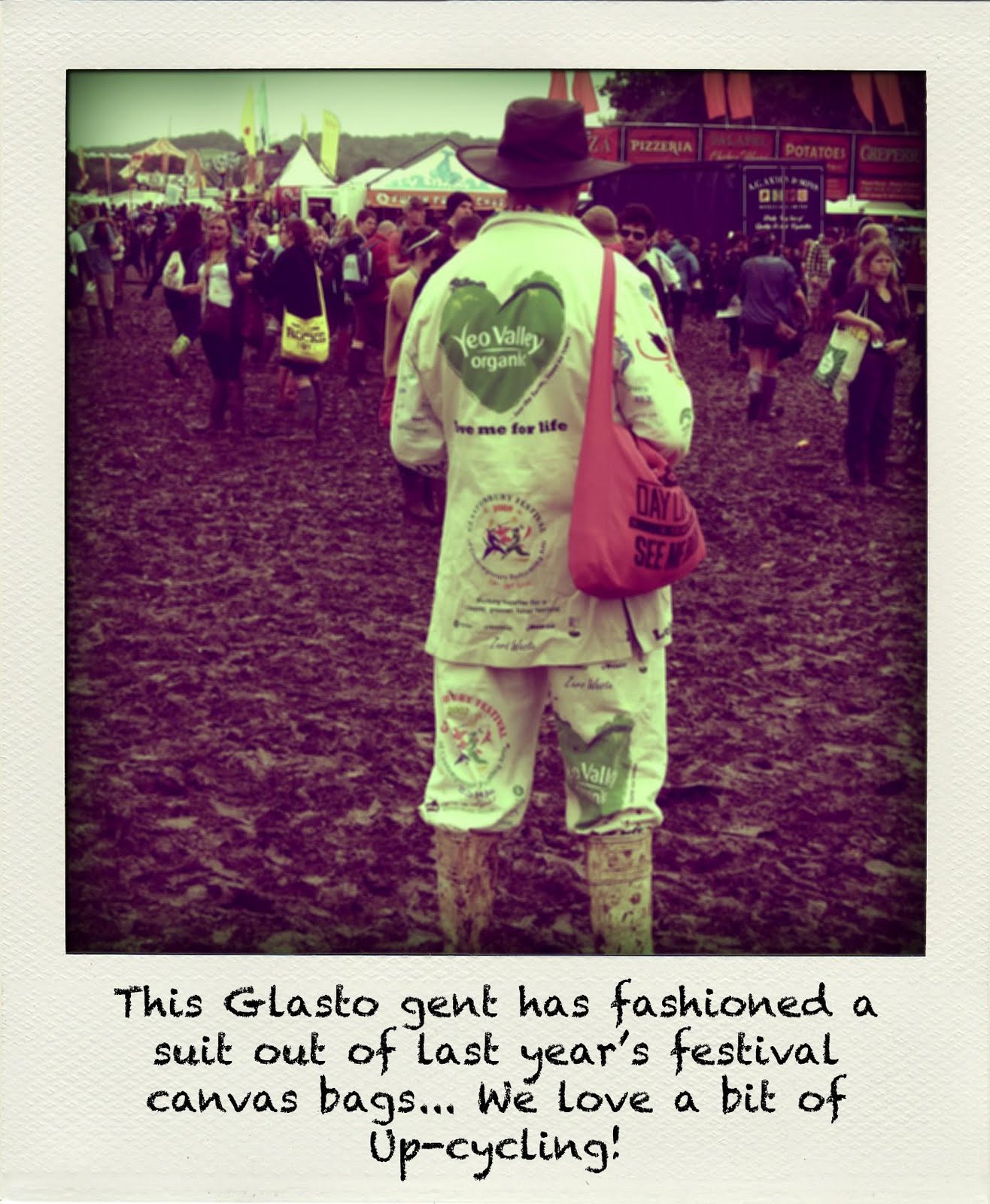
GLASTONBURY 2011... (in pictures!)


Presumed Consent is not “Consent”.


Since 1999, the British Medical association has been campaigning for a “presumed consent” system for organ donation, where all people will be assumed to be willing to donate their organs in the event of their death unless they have opted out of the scheme. Currently, people in Britain must actively join the NHS Organ Donor Register. According to NHS Organ Donation statistics, 3,709 organ transplants were carried out in the UK last year, while an additional 3,099 people had their sight restored through a cornea transplant. Many supporters of the presumed consent system believe it would boost organ-donation rates and therefore offer a better quality of life to the approximate 8,000 people still on the waiting list.

However, critics of the scheme claim that it could damage the trust patients place in medical staff. Dr Sharon Blackford, a dermatologist from Swansea, challenged the support for presumed consent by claiming that a move to presumed consent could damage trust in doctors. “If someone is ill in intensive care, families may feel doctors just want to harvest the organs”.

Under the British Medical Association’s suggestions, families would still be able to object to organ donation even if their relative had not opted out of the system. Ultimately, however, surely this would mean that the “consent” being given were that of the family, not of the individual? While the scheme may encourage people to be less apathetic in their decision to donate, or not donate, organs, to presume consent is surely necessarily not to ask for it. Instead of forcing people who do not wish to donate their organs to opt out, perhaps more should be done to educate and encourage individuals who may wish to become organ donors to take the time to do so.

For more information about organ donation, visit www.organdonation.nhs.uk


Monday, 27 June 2011

Peace One Day concert at the O2 Arena


This year sees the 10th anniversary of Global Peace Day, held on September 21st and formally established in the international calendar as an annual day of ceasefire and non-violence by the United Nations General Assembly. Yet can one day of enforced peace compensate for 364 other days of war, domestic abuse or violent crime, for instance? The worldwide day of peace neither exempts the world from its violent actions, nor claims to do so. This one day is more than just another day, as it provides a platform for individuals to show their support for the peace process, and get more directly involved.

Global Peace Day was realised in part through the efforts of Jeremy Gilley, who founded the Peace One Day film project in 1999 to document his attempts to create an annual, international day of peace. With the day now in place, Peace One Day’s current aim is to institutionalise Peace day across the world so that it becomes self-sustaining. This year a concert will be held at the O2 Arena on Global Peace Day to support and raise awareness about the Peace One Day campaign, featuring artists such as Eliza Dolittle, Youssou NDour, Afroreggae, Flawless and the English National Ballet, with further acts still to be announced.

Jeremy Gilley is now calling for and working towards a Global Truce on Peace Day in 2012. “We have a clear strategy and we hope this will be the largest reduction in global violence in recorded history, both domestically and internationally. This day is as much about non-violence in our schools, our homes, workplace and local communities as it is about ceasefire on the international stage.” Gilley will be speaking at the O2 Arena show, which is set to launch a 365 day countdown to Global Truce.

Millions of people were active on Peace Day in 2010, in all 192 UN member states, and Peace One Day aims to have 500 million active participants, and 3 billion people aware of Peace Day, by 2012. On Peace Day in 2010, 28 organisations carried out 88 humanitarian activities across 31 countries. For instance, in Afghanistan, WHO/UNICEF/Afghan Ministry of Public Health vaccinated over 50,000 children and women in 23 locations against all vaccine-preventable diseases.

Mary Robinson, then the UN High Commissioner for Human Rights, said in a filmed interview with Jeremy Gilley; “My experience of conflict is that those who are involved in it long for even a day of peace. To have a day of cessation of violence, that to me is an idea whose time has come”.

It may only be one day in the year, but Global Peace Day also functions as a catalyst for a range of civil society actions, both by organised groups and by individuals. Perhaps one day can get people from all sectors of society, from governments to individuals, to think about and react against the impact violence has on all of us every day.
Tickets are on sale now for the Peace One Day O2 Arena concert.

Thursday, 23 June 2011

THE TICKS DON’T LIE: SHAKIRA CALLS FOR GLOBAL EDUCATION EQUALITY


World famous pop star, and debut RECOGNISE magazine cover star, Shakira was in Jerusalem recently to address the Israeli Presidential Conference. In front of world leaders, journalists, economists, scientists and innovators she discussed the need for a free, quality education for all children, especially girls.

Shakira, as UNICEF Goodwill Ambassador, visited the Max Payne “Hand in Hand” School for Bilingual Education in Jerusalem to meet with students to talk about the power of education. The project hopes to build peace and promote equality by mixing the classes with both Palestinian and Jewish students. The classes are taught by two teachers, one Palestinian and one Jewish, and are taught in both Arabic and Hebrew.

“Investing in education is the best strategy for peace and global stability”, she said during her visit, part of her ongoing work as an advocate for global education. According to UNESCO’s 2011 Global Monitoring Report, there are still 67 million primary-school age children out of school globally today, with the numbers falling too slowly.

It’s work like this that made Shakira our number one choice for our first ever cover.  Being an amazing beauty outside as well as in helped too!!

For more on the work of UNICEF visit http://www.unicef.org.uk/ and get closer to the Colombian siren at http://www.shakira.com/

Tuesday, 21 June 2011

GLASTONBURY FESTIVAL 'GREEN TRAVELLER' INITIATIVE


Glastonbury Festival has long been committed to reducing carbon emissions, protecting the local environment and raising awareness about climate change. A team of volunteers manage waste collection on the site, and last year saw 49% of this rubbish recycled. A high level of bio-diversity is maintained on the festival site by protecting vulnerable habitats through non-public zones and by planting native trees and hedges. In 2005, a temporary 3 acre reserve was created to protect a deer that emerged near the Pyramid Stage, from which it emerged unscathed at the end of the festival. All Glastonbury Festival t-shirts are printed using water based (non-pvc) inks and vegetable dyes, all cutlery used by market stalls must be wood, not plastic, all cups and plates are made from a compostable material and in 2004 a composting initiative was introduced to minimise the amount of waste that is sent to landfills.

Glastonbury are also investing in renewable power and low energy solutions by using a combination of “Orion” solar generators and modern PA and LED technology where possible. This green technology at the Festival will save over a tonne of carbon emissions this year.

In addition to these numerous commitments to limiting the environmental impact of the festival, this year sees the advent of Glastonbury Festival’s “Green Traveller” initiative. To help lower carbon emissions and to raise awareness about the need to tackle climate change, the Festival is supporting people who choose to come to Somerset by public transport or bicycle. Over 50% of Glastonbury Festival’s CO2 emissions come from how the Festival goer makes their way to the site, so ticket holders who arrive at the Festival by public transport or bicycle will be given a Green Traveller lanyard. This rewards their journey with ways to make their Festival experience slightly more comfortable, such as vouchers for discounts on food and access to solar showers and compost toilets. They aim to get a third of Festival goers to arrive by train or coach – and perhaps encourage them to think about how they use their cars for the rest of the year too.

Monday, 20 June 2011

ALOUD WELCOME FOR CHERYL COLE CHARITY DRESS AUCTION


Singer Cheryl Cole has donated 11 dresses to auction to raise funds for The Cheryl Cole Foundation. Money raised will go to support youth charity The Princes Trust, and will be targeted at vulnerable 16-30 year olds in the North East, such as those who are leaving care, are long term unemployed or are educational underachievers. Through her Foundation, Cheryl hopes to show disadvantaged young people that someone believes in them. The ‘Lowest Unique Bid’ Auction, hosted by ASOS, means that the lowest monetary amount not bid by anyone else will win the auction, so potentially an outfit worn by Cheryl on the X-Factor, or with band-mates in Girls Aloud, could be snapped up for as little as 1p!

Thursday, 16 June 2011

TRADE IN YOUR BANANA HAMMOCKS!!


This year Speedo is launching a ‘swimwear amnesty’ at The British Gas Big Dip events in the summer to help raise funds for charity. The aim is for people to donate items of unwanted swimwear or goggles to Speedo who will then provide a discount on the cost of new swimwear items purchased from the Speedo Stand at the Big Dip.

For each item of men’s/boy’s swimwear, participants will receive a £5.00 discount, and a £10.00 discount for ladies items donated. In addition unwanted goggles can be donated in return for a special £5.00 reduction on new goggles. The best part is, for every tonne of swimwear and accessories collected Speedo will donate £1,000 to Cancer Research UK.

The British Gas Big Dip will be held at Clapham Common, London (June 18th – July 17th) and Spinningsfield Square, Manchester (July 30th – August 29th). Head on down to your nearest Big Dip for what promises to be one of the family entertainment highlights of the summer - all in a good cause!

For more information about tickets and time slots go to: www.bigdip.co.uk

Wednesday, 15 June 2011

THE ONE THAT GOT AWAY


 All of us at RECOGNISE were sorry to hear the news today surrounding our current cover star, Hugh Hefner.  After six months together, and just five short days before the expected wedding, 24-year-old bride-to-be Crystal Harris called off her engagement to the Playboy king due to a “change of heart”.  Hef talks to us about his relationship with his now ‘ex’ fiance in Issue 8 of RECOGNISE, available now...